

- 100g flour
- 1 lvl tbsp of baking powder
- 75g Butter
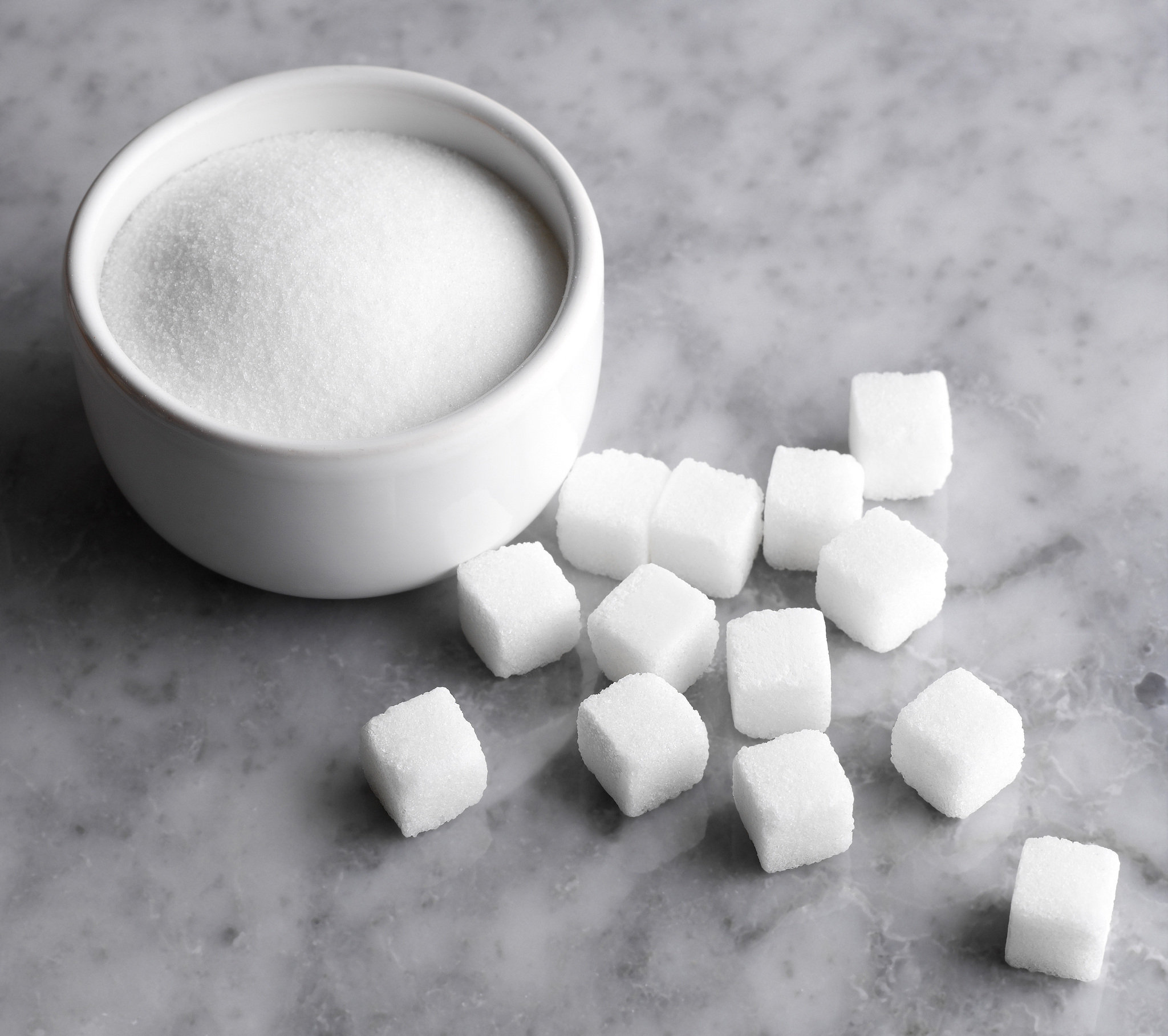
- 75g Sugar
- 1 Large Egg
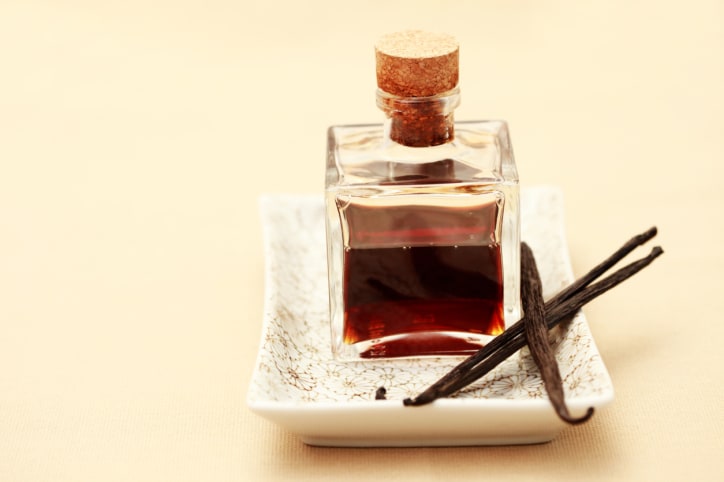
- 1/2 tbsp Vanilla Essence
- 50g Raisins
- A little milk
- Plain Flour helps to thicken the cake mixture, helps to give shape and bulk to the product, and provides a good source of fibre, carbohydrate, Vitamin B, calcium and iron.
- Baking Powder causes a acid-base reaction, causing the air bubbled in the mixture to expand and thus leavening the mixture and acts as a self-raising agent.
- The butter gives the mixture it's creamy and rich flavor, keeps the product moist and extends its shell life, it adds a golden colour to the food, hold air when creamed with sugar, forms an emulsion with liquid and is a good source of vitamin A and D
- Sugar provides sweetness, large amounts used can prevent microorganism growth, caramelises to produce a brown colour to the cake, helps to trap air in cake mixture and is a good source of carbohydrate.
- The egg holds air when it's beaten, and it coagulate when it's heated to give the product it's shape, and binds the whole wet and dry ingredients together and is a good source of protein, fat, iron, vitamin A, B and E.


